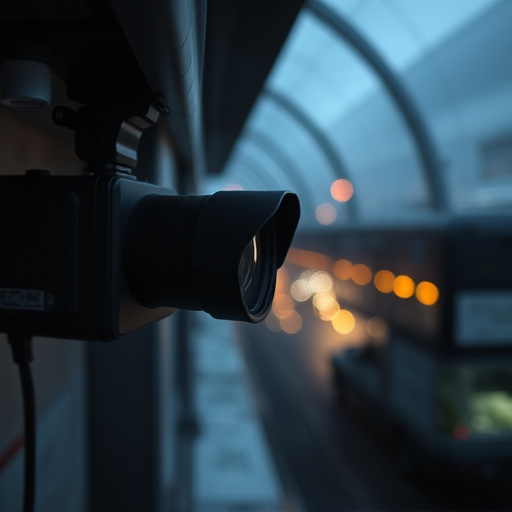
In today's digital era, concealed cameras for home security pose a growing threat. Homeowners can counter this by employing microphone bug sweeps using audio surveillance detection tools, frequency scanners, and specialized equipment like thermal imaging cameras. Regular inspections, strong passwords, updated software, and caution when installing apps enhance personal space security. Legal considerations regarding privacy rights and surveillance must be navigated, with strict regulations varying by jurisdiction, especially in areas like bathrooms and bedrooms.
“Enhance your home’s security with our comprehensive guide to microphone bug sweeping detection. Explore advanced techniques to uncover hidden cameras and concealed audio devices, ensuring a safe digital environment. From understanding basic bugs to implementing legal safeguards, this article equips you to navigate the world of home security. Learn about common detection methods, essential tools, and preventive measures against unwanted surveillance, empowering you to protect your privacy in today’s tech-driven world.”
- Understanding Microphone Bug Sweeping for Home Security
- Common Hidden Camera Detection Techniques at Home
- Advanced Tools for Locating Concealed Audio Devices
- Safe Practices to Prevent Microbug Installation
- Legal Considerations in Home Bug Sweeping Operations
Understanding Microphone Bug Sweeping for Home Security
Microphone bug sweeping, also known as audio surveillance detection, is a crucial aspect of modern home security. With the proliferation of advanced technology, hidden microphones and listening devices have become increasingly accessible, posing significant privacy risks for homeowners. These concealed cameras for home security, often disguised as everyday objects like lightbulbs or wall art, can record conversations and transmit sensitive information to unauthorized individuals.
Understanding how to detect these covert listening devices is essential for maintaining a secure living environment. Bug sweeping involves using specialized equipment, such as frequency scanners and audio detectors, to identify and locate hidden microphones. By conducting periodic sweeps of your home, you can ensure that your personal spaces remain free from unwanted eavesdropping and take proactive measures to safeguard your privacy and security.
Common Hidden Camera Detection Techniques at Home
Hidden camera detection has become an essential aspect of home security, especially with the increasing availability of advanced surveillance technology. One of the primary concerns is identifying concealed cameras for home security that might be secretly installed to invade privacy. Homeowners can employ several techniques to navigate this modern-day enigma.
The first step involves visual inspection using specialized tools like infrared thermometers, which can detect unusual heat signatures indicative of hidden cameras. Additionally, static UV lights or radio frequency (RF) detectors can uncover hidden camera components that emit specific signals. Regularly checking for unfamiliar devices and cables within the home’s infrastructure is another proactive measure. Moreover, utilizing software designed to analyze video feeds in real-time can help identify peculiar patterns or anomalies that might suggest a hidden camera’s presence.
Advanced Tools for Locating Concealed Audio Devices
In today’s digital era, privacy and security concerns have led to the development of advanced tools designed to detect concealed audio devices, such as hidden microphones or bugs. These innovative solutions are a crucial aspect of home security, offering peace of mind by enabling users to identify potential threats subtly embedded within their surroundings. Among these tools, thermal imaging cameras stand out for their ability to visualize heat signatures, making it possible to uncover hidden devices that might be disguised or placed in hard-to-reach areas.
Additionally, specialized RF (radio frequency) detectors and audio bug sweeps are game-changers in the field of home security. These tools can detect and locate concealed cameras for home security purposes by scanning for unusual radio signals emitted by hidden microphones. This technology is not only effective against bugs but also serves as a robust defense mechanism against sophisticated surveillance equipment, ensuring that personal spaces remain private and secure.
Safe Practices to Prevent Microbug Installation
To prevent a microphone bug sweep situation, it’s crucial to implement safe practices that safeguard your home security. One such measure involves being vigilant about concealed cameras for home security. These devices can be easily hidden and used by malicious actors to record conversations without consent. Regularly inspecting your environment for any unusual or unauthorized cameras is an important step in maintaining privacy. This includes checking everyday items like clocks, light switches, and even door handles, as they could house miniature surveillance equipment.
Additionally, keeping personal spaces secure is vital. Use strong, unique passwords for all devices connected to the internet, regularly update software, and avoid installing apps or clicking links from unknown sources. By adopting these safe practices, you create a robust layer of protection against potential microphone bugs, ensuring your home remains a safe and private sanctuary.
Legal Considerations in Home Bug Sweeping Operations
When conducting bug sweeping operations at home, it’s crucial to understand and adhere to legal considerations regarding privacy rights and surveillance. In many jurisdictions, there are strict regulations on the use of hidden cameras for home security purposes. These laws vary significantly from place to place, so homeowners must be vigilant in ensuring they comply with local statutes.
One key aspect is obtaining consent before installing any concealed cameras. This includes informing all occupants and, in some cases, neighbors about the surveillance system’s presence. Additionally, specific areas like bathrooms, bedrooms, and other private spaces often have enhanced privacy protections, necessitating careful placement of monitoring devices to avoid potential legal pitfalls.
In today’s digital age, ensuring home security involves more than physical locks and alarms. Understanding microphone bug sweeping techniques and common hidden camera detection methods is crucial for safeguarding your privacy. By leveraging advanced tools and adopting safe practices, you can protect your space from concealed audio devices. Remember that staying informed about legal considerations is equally important when conducting such operations. Armed with this knowledge, folks can navigate the intricate landscape of home security, fostering a safer and more secure environment free from pesky bugs and enigma-like hidden cameras.